Debunking common gambling myths What you need to know
The Luck Factor
Many people believe that gambling relies heavily on luck, and while luck certainly plays a role, the reality is more nuanced. Games of chance, like slots and roulette, do involve a significant degree of randomness. However, understanding the odds and house edge can make a considerable difference in how players approach these games. Knowledge is power, and it can help players make informed decisions, leading to potentially more favorable outcomes. For example, players can explore casinos like Cash Arcade to find strategic options that enhance their gameplay experience.
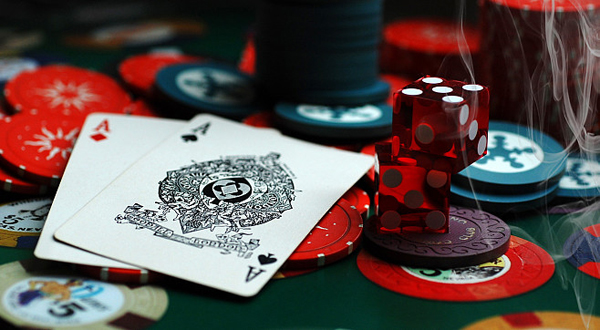
For instance, players who familiarize themselves with the rules, strategies, and payouts of various games often find themselves making better choices. This is particularly true in skill-based games like poker, where strategic thinking can directly impact success. Thus, while luck is a factor, players can significantly enhance their chances through knowledge and skill development.
Moreover, the perception that gambling is solely about luck can discourage responsible gaming practices. When players think they have no control, they may be less likely to set budgets or limits, leading to reckless behavior. By recognizing that strategic play exists alongside luck, gamblers can create a healthier relationship with gaming.
The Gambler’s Fallacy
The gambler’s fallacy is a common misconception that previous outcomes affect future results in games of chance. For instance, if a roulette wheel lands on red multiple times in a row, some players may feel that black is “due” to occur next. This belief is fundamentally flawed, as each spin of the wheel is an independent event with its own probabilities. Understanding this can help players avoid chasing losses or making impulsive bets based on superstition.
This fallacy can lead to poor betting decisions and significant financial losses. Many gamblers fall victim to this belief, leading them to bet more aggressively after a series of losses. By debunking this myth, players can make more rational decisions, focusing on their strategies rather than falling prey to false patterns.
Education plays a vital role in countering the gambler’s fallacy. Players who understand the mathematics of probability are better equipped to recognize independent events in gambling scenarios. This knowledge empowers them to approach their gaming experiences with a clearer, more rational mindset, reducing the risk of emotional betting and enhancing overall enjoyment.
Gambling as a Means to Financial Freedom
A prevalent myth surrounding gambling is the belief that it can serve as a reliable path to financial freedom. While some individuals might strike it rich with a jackpot win, this scenario is the exception rather than the rule. The vast majority of gamblers do not win in the long run, and relying on gambling as a source of income can lead to disastrous financial consequences.
Moreover, gambling should be viewed primarily as entertainment rather than a potential source of income. This perspective encourages responsible gaming habits and helps players manage their expectations. By treating gambling as a recreational activity rather than a means of making money, individuals can enjoy their time without the pressure of chasing unrealistic financial goals.
Encouraging a healthy approach to gambling includes promoting awareness about potential losses and the importance of setting limits. Players who understand that the odds are generally stacked against them are more likely to engage in responsible betting practices, ensuring that they have a fun and safe gambling experience without the burden of financial stress.
Gambling Addiction Myths
Another critical area where misconceptions abound is gambling addiction. Many people believe that only certain types of gamblers, such as high-stakes players or those who gamble frequently, can develop an addiction. In reality, anyone can be at risk, regardless of how often or how much they gamble. This broad understanding is essential for recognizing the signs and addressing gambling addiction appropriately.
Additionally, gambling addiction is often misunderstood as merely a lack of willpower or poor character. However, it is a complex issue influenced by psychological, social, and environmental factors. Education and awareness can foster empathy and promote healthier discussions about addiction, making it easier for individuals to seek help without the stigma that often accompanies it.
By debunking myths surrounding gambling addiction, communities can create support systems for those affected. Awareness campaigns, outreach programs, and accessible resources can significantly aid in recovery efforts. Empowering individuals with knowledge about addiction can lead to better prevention strategies and a supportive environment for recovery.

Cash Arcade Casino: Your Gaming Destination
For those looking to engage in responsible and enjoyable gambling, Cash Arcade Casino offers an exciting platform that caters to a variety of gaming preferences. With over 1,000 games available, including slots and live dealer options, players can experience a thrilling online environment while prioritizing their gaming safety. Licensed by the UK Gambling Commission, the casino ensures a secure space for all its users.
New players at Cash Arcade Casino can take advantage of a generous welcome package, including bonuses and free spins, making it an enticing option for those new to online gaming. The casino also promotes responsible gaming practices, encouraging players to set limits and engage in self-exclusion if needed. This commitment to player welfare sets Cash Arcade Casino apart from many other platforms.
In conclusion, understanding the myths surrounding gambling is vital for players to navigate the gaming landscape responsibly. With resources like Cash Arcade Casino, players can enjoy thrilling gameplay while remaining informed and empowered. By debunking common misconceptions, we pave the way for a healthier relationship with gambling that prioritizes fun, education, and responsibility.